











On May 20th, 2025, Representative Jodey Arrington of Texas’s 19th district introduced H.R.1, the One Big Beautiful Bill Act, containing hundreds of provisions, thousands of pages, and trillions in cuts. But how will the change in federal dollars affect Southwest Florida and CLHS?
The bill, which was signed into law by President Trump on July 4, enshrines and permanently extends tax cuts, cuts funding to welfare programs, raises the cap on state and local tax deductions, decreases military funding, cuts funding for police, and much much more. But what is the good, and the bad of this bill for the people of Florida specifically?
The bill enshrines into law support for millions of small businesses by restoring and extending key economic tax policies, like the COVID-era small businesses grants. A policy like this allows businesses to reinvest in themselves, rather than pay further taxes. If you work a service job, there will no longer be a federal tax on tips, which in Florida, which does not have an income tax, means there are no longer taxes on tips!
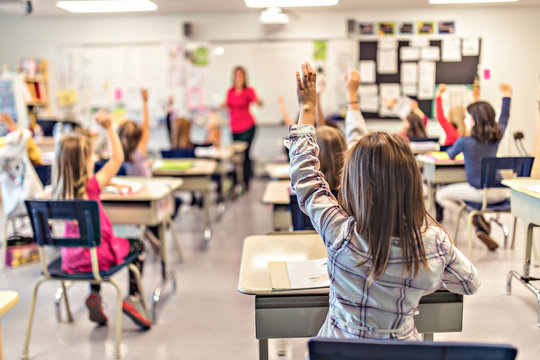
However, up to 11% of Cypress’s funding comes directly from the federal government. The Big Beautiful Bill indirectly cuts that funding through cuts to the Department of Education. Instead it gives these funds to state education systems around the country, which many are investing in voucher programs. This diversion of tax money from public organizations to private organisations is the largest of its kind in modern day politics.
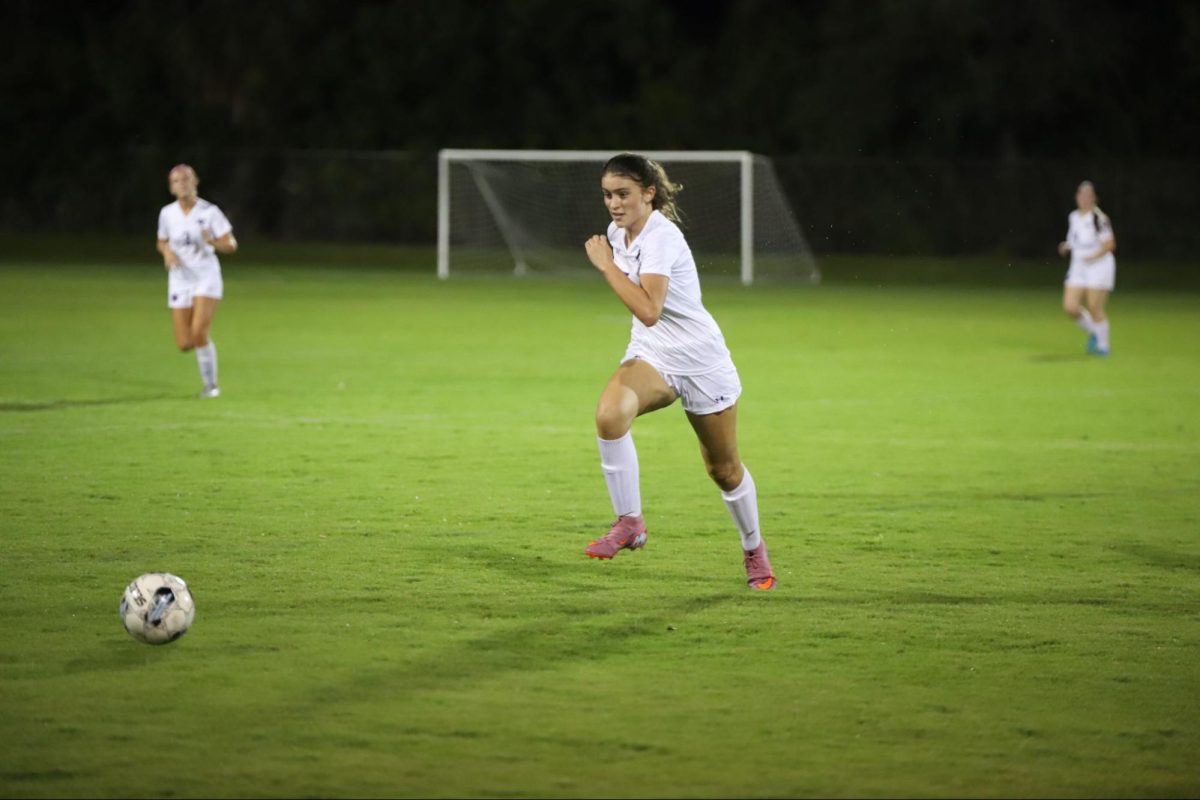
But what about here at Cypress? Will this affect our after-school programs and activities? Athletic Director Betty Rodriguez told The Panther Post, “There haven’t been any major adjustments on things that we’ve done in the past versus what we’re doing currently. And that’s generally because a lot of what we do is already self-sufficient, with our funds coming from ticket sales and fundraisers.” Cypress’s many after school programs will be, for the most part, unaffected by the bill.
Overall, it is the consensus of many that the One Big Beautiful Bill Act is good for the individual, but may be harmful to the community. This is especially true for students, where they may see benefits in personal finances, but may suffer thanks to changes in programs like SNAP (which help provide school meals) and reduced financial aid they depended on.
For over a month now, the government has been shut down because the Senate has failed to agree on a continuing budget resolution. This shutdown has been felt around the country, but how is it affecting individuals?
Many are concerned that critical programs could be paused. This includes the National School Lunch and breakfast programs. Some Head Start programs in Florida have already been forced to shut down due to a lack of funding, leaving low-income families without crucial early education services, meals, and other support.
The Department of Education, whose staff and funding have been substantially decreased, is also crucial for providing children with special needs resources. While federal law ensures the right to a free public education for students with disabilities, a prolonged funding lapse could limit schools’ ability to provide the necessary services and support.