













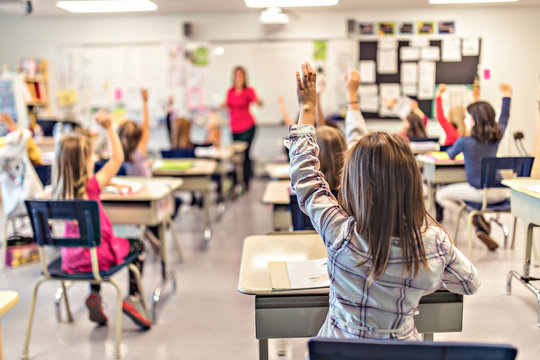





Five years ago, schools were shut down and families were told to stay home. Children who should’ve been in kindergarten, learning their ABCs and social skills, instead spent their early years in isolation. Now, as those same children enter elementary school, teachers are noticing major differences in their behavior, social skills, and attention spans.
Dr. Deb Mathinos, the former principal and now the school director of Heights Community Charter School with 46 years of experience working with children under her belt, described the changes as “completely different.” To her, this new generation of students interacts very differently than past classes. “They seem more physical with each other, touching a lot, and now they can’t play any games without it becoming fully physical,” she explained.
She also mentioned that many students seem to struggle with group activities and social interaction.“They have a difficult time functioning in a group,” she said. Much of this, she believes, stems from how isolated they were in their kindergarten years. Because of this, many haven’t fully developed non-verbal communication skills — things like eye contact, body language, or reading social cues seem to completely fly over their heads. “A lot of tantrums that used to stop in kindergarten are now persisting in second grade. They can be fine one second and can be crying the next, they struggle with emotionally regulating themselves.”
And it’s not just Dr. Mathinos noticing these changes – there have been the same discussions at other elementary schools about the children’s behavior. And when asking multiple teachers or counselors I’ve gotten similar answers from all.
“Very Different” has been a very common answer. Ms. Angelina Howard, another teacher, said, “It’s more of a listening skills and manners problem I’ve been noticing with them. You learn those things during kindergarten so it’s been interesting to work with them. Behavior has definitely changed ”
The general consensus seems to be that behaviors have changed drastically, involving manners, shorter attention spans, listening skill, emotional regulation, and communication skills. But even with these challenges, teachers remain hopeful.
“These kids aren’t bad, they just lack self control and struggle with emotional regulation something likely connected to spending key developmental years isolated from peers,” Dr.Mathinos reminded.